What Does Tartar Actually Do to Your Teeth?
What Does Tartar Actually Do to Your Teeth?
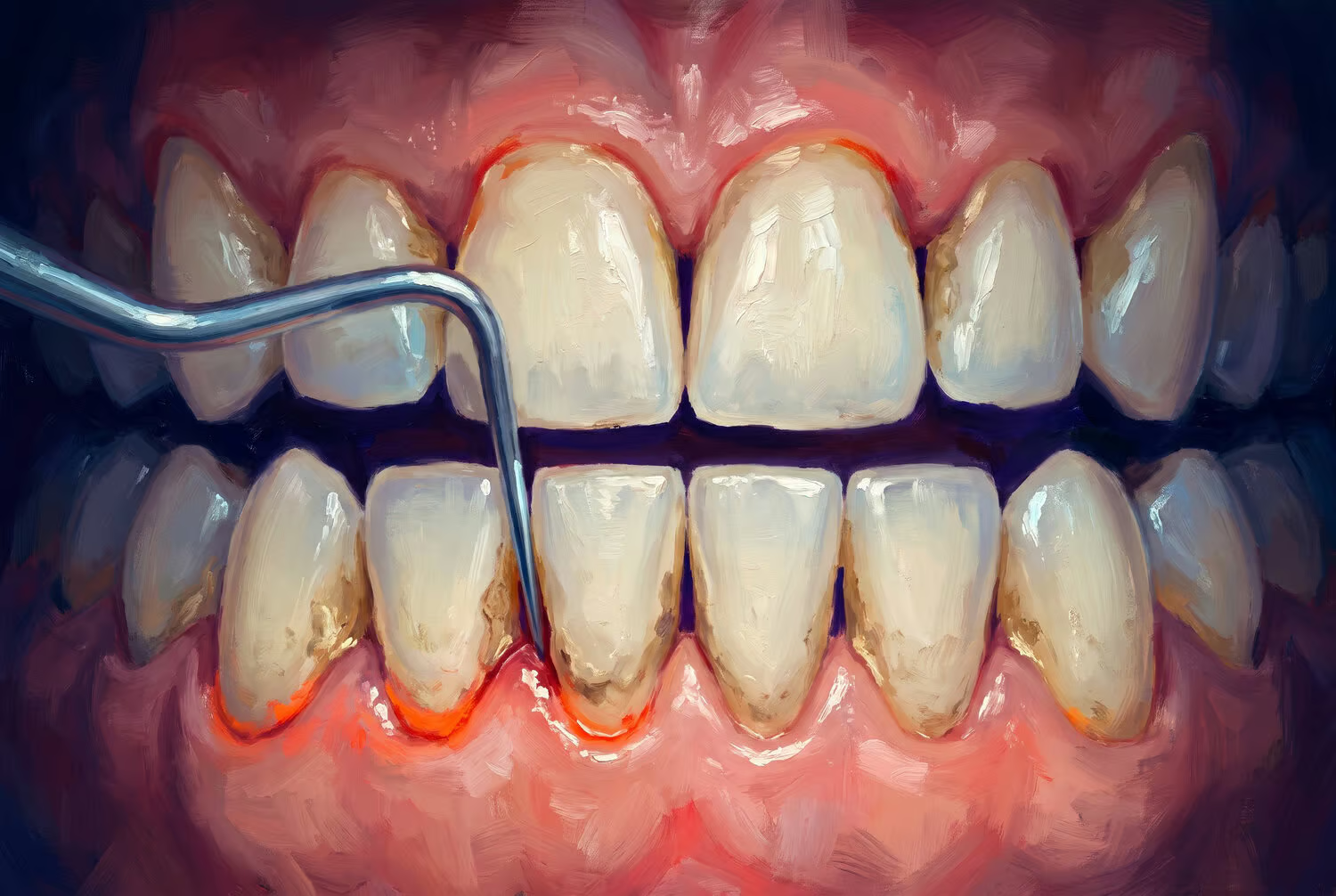
Tartar (also called dental calculus) is hardened plaque that has mineralized onto your teeth, and once it forms, brushing and flossing can no longer remove it — only a professional cleaning can. Left in place, tartar does real damage: it irritates and inflames your gums, creates rough surfaces where more bacteria collect, and over time contributes to the bone and gum loss seen in periodontal disease. At Ballantyne Family Dental, Dr. Vinita Patel and our hygiene team see tartar buildup at nearly every routine cleaning — which is exactly why catching and removing it early is such a central part of preventive care.
Here's what tartar actually is, what it does to your teeth and gums if it's left alone, and what you can realistically do about it.
What Is Tartar, Exactly?
Plaque is a soft, sticky film of bacteria that forms on your teeth constantly — it's what your toothbrush is designed to clear away every day. If plaque isn't removed, minerals in your saliva cause it to harden within as little as 24 to 72 hours, turning it into tartar. Once that happens:
- It bonds tightly to the tooth surface — and to the roots below the gumline
- It can no longer be brushed or flossed away — only scaling by a dental professional removes it
- It builds in layers over time, especially along the gumline and between teeth
- It shows up as a yellow, brown, or grayish crust, often most visible on the inside of the lower front teeth
This is the core reason dentists emphasize regular cleanings: the window to remove buildup with a toothbrush is short, and once it closes, home care alone can't undo it.
What Does Tartar Actually Do to Your Teeth and Gums?
Tartar isn't just a cosmetic nuisance. Left untreated, it causes a cascade of real problems:
- Gum irritation and inflammation (gingivitis) — tartar along the gumline constantly irritates the tissue, and gums often respond by becoming red, swollen, or prone to bleeding when you brush
- A rougher surface for new bacteria — tartar's porous texture gives plaque an easier place to cling and multiply, accelerating the cycle
- Bad breath that won't resolve with brushing alone — because the bacteria living in tartar are a major contributor
- Progression toward periodontal disease — if gingivitis isn't addressed, the inflammation can spread below the gumline and begin breaking down the bone and ligaments that hold your teeth in place
- Visible staining — tartar absorbs stains from coffee, tea, and tobacco more readily than healthy enamel, making teeth look duller even with regular brushing
The uncomfortable truth is that tartar doesn't cause pain in its early stages — which is exactly why so many patients are surprised to learn how much buildup they have at a checkup.
Can You Remove Tartar at Home?
No — and this is the single most common misunderstanding we hear from patients. Whitening toothpaste, an electric toothbrush, or a water flosser can all help slow new plaque from hardening, but none of them can remove tartar that has already mineralized. Attempting to scrape it off yourself with a metal tool (something we sometimes see patients try) can scratch enamel and injure gum tissue. Professional removal — called scaling — uses specialized instruments designed to safely clear tartar from the tooth surface and below the gumline without damaging either.
How Often Should Tartar Be Professionally Removed?
For most patients, a cleaning every six months is enough to stay ahead of buildup before it causes gum irritation. Patients who tend to form tartar faster — which varies significantly from person to person based on saliva chemistry, diet, and oral hygiene habits — sometimes benefit from cleanings every three to four months instead. If you've noticed your gums bleed when you brush, or you can feel a rough patch along your gumline between visits, it's worth mentioning at your next appointment rather than waiting for your next scheduled cleaning.
What Increases Tartar Buildup?
Some factors make tartar form faster, regardless of how well you brush:
- Inconsistent brushing or flossing, which gives plaque more time to harden before it's disturbed
- A diet high in sugar and starch, which feeds the bacteria that form plaque
- Smoking or tobacco use, which is strongly linked to faster tartar formation
- Dry mouth, since saliva helps wash away plaque before it mineralizes
- Crowded or overlapping teeth, which create harder-to-reach spots that a toothbrush can miss
- Certain medications and health conditions that affect saliva flow
None of these mean tartar is inevitable — they just mean some patients need a slightly more proactive cleaning schedule than others.
How Is Tartar Removed at the Dentist?
During a routine cleaning, your hygienist uses hand instruments and/or an ultrasonic scaler to break up and lift tartar from both the visible tooth surface and the area just below the gumline, where buildup tends to cause the most irritation. If tartar has been present long enough to contribute to early gum disease, Dr. Patel may recommend a more thorough deep cleaning (scaling and root planing) to clear buildup further down the root surface and allow irritated gum tissue to heal and reattach.
The Bottom Line for Ballantyne Patients
Tartar is more than a cosmetic issue — it's hardened plaque that actively irritates gum tissue, feeds bacterial growth, and, left unaddressed, can progress into periodontal disease. The good news is that it's entirely manageable with consistent home care and regular professional cleanings. If it's been more than six months since your last visit, or your gums have started bleeding when you brush, that's a good sign it's time to get it checked.
Schedule a Cleaning in Ballantyne, NC
Dr. Vinita Patel and the team at Ballantyne Family Dental provide thorough cleanings and preventive care to help patients stay ahead of tartar buildup and gum disease before it starts. We proudly serve patients throughout Ballantyne, South Charlotte, and the surrounding Charlotte, NC area.
To schedule your next cleaning, call (704) 200-2948.
Want to schedule an appointment?
